
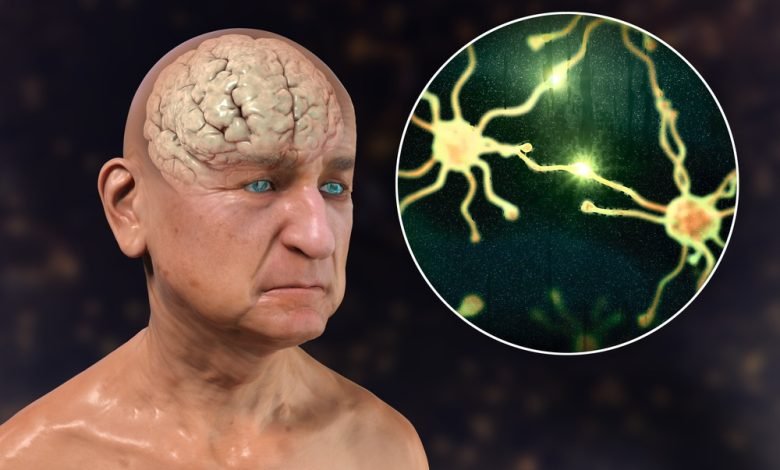
Dementia and Alzheimer’s disease are among the most challenging conditions people and families can face—not only because of their medical complexity, but because of the slow, often quiet way they change a person over time.
Early Warning Signs to Watch For
- Memory loss that affects daily life
This goes beyond occasionally forgetting where you placed your keys. It includes:
Repeating questions
Forgetting recent conversations or events
Increasing reliance on notes or reminders
Short-term memory loss is often one of the earliest indicators.
- Difficulty planning or solving problems
Tasks that once felt routine may become overwhelming:
Trouble following recipes or instructions
Difficulty managing finances
Losing focus during everyday tasks
This reflects changes in the brain’s executive functioning.
- Confusion about time or place
People may:
Lose track of dates or seasons
Forget where they are or how they got there
Feel disoriented even in familiar places
This type of confusion is a classic early sign.
- Problems with visual and spatial awareness
Some individuals begin to struggle with:
Judging distance
Reading
Recognizing faces or objects
These changes can even affect activities like driving.
- Language and communication difficulties
Early signs may include:
Trouble finding the right words
Renaming common objects (e.g., “hand-clock” for a watch)
Stopping mid-sentence or repeating phrases
These changes often appear gradually but become more noticeable over time.
- Misplacing items and losing the ability to retrace steps
While everyone misplaces things occasionally, dementia-related patterns include:
Putting items in unusual places
Accusing others of theft
Being unable to retrace steps to find lost items
- Poor judgment or decision-making
This may show up as:
Risky financial behavior
Neglecting personal hygiene
Difficulty recognizing unsafe situations
- Withdrawal from social or work activities
A person may begin to:
Avoid hobbies or social gatherings
Withdraw from conversations
Show reduced interest in previously enjoyed activities
This can sometimes be mistaken for depression.
- Changes in mood or personality
Emotional shifts may include:
Anxiety or suspicion
Irritability
Rapid mood changes
These changes can be confusing for both the individual and their loved ones.
- Difficulty following conversations
People may:
Struggle to keep up in group discussions
Take longer to respond
Feel overwhelmed by multiple speakers
This can make communication increasingly exhausting.
Why Early Detection Matters
Even without a cure, early detection allows for:
Timely medical support and treatment
Better long-term planning
Access to care services and support networks
Lifestyle adjustments that may slow progression
It gives families clarity—and time.
Habits That Support Brain Health
While no method guarantees prevention, certain lifestyle choices are linked to better cognitive health:
Stay physically active
Regular exercise (even 30 minutes daily) supports blood flow to the brain.
Maintain vitamin levels
Especially vitamin B12 and vitamin D, which are linked to cognitive function.
Engage your mind
Reading, puzzles, and learning new skills help keep the brain active.
Manage stress and sleep
Chronic stress and poor sleep can negatively impact memory and thinking.
Limit alcohol and avoid smoking
Both are associated with increased cognitive decline risk.
Protect your head
Preventing head injuries is crucial for long-term brain health.
Moderate coffee intake
Some studies suggest potential protective effects due to antioxidants.
A Balanced Perspective
Dementia is not just a medical condition—it is a deeply human experience that affects identity, relationships, and daily life. Watching someone gradually lose memories or independence is painful, and many families face that reality with quiet resilience.
At the same time, research continues to advance. New treatments, improved diagnostics, and growing awareness offer hope for the future.
For now, the most powerful tools remain awareness, early recognition, and compassion—for both those living with the condition and those caring for them.