
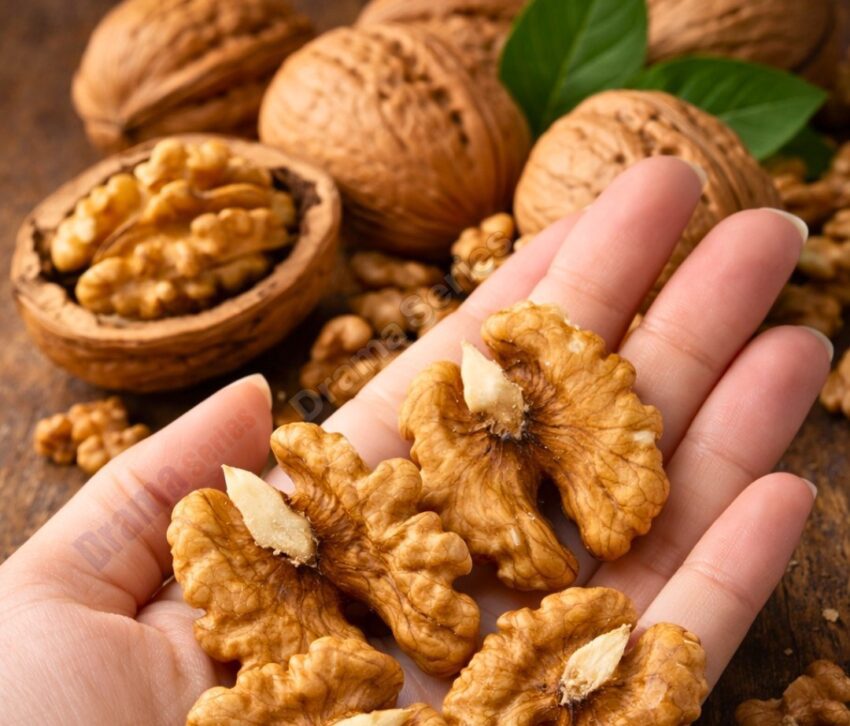
When it comes to superfoods that pack a powerful punch for women’s health, walnuts deserve a prime spot on the list. These nutrient-rich nuts are more than just a crunchy snack; they are a source of essential fatty acids, antioxidants, vitamins, and minerals that can support women through different stages of life—from adolescence to menopause and beyond. Recent studies highlight how walnuts contribute to healthy ageing, mental well-being, maternal health, and even cancer prevention. Let’s explore why walnuts are such a valuable addition to women’s diets.
Supporting Healthy Ageing
Ageing gracefully is a goal many women share, and diet plays a crucial role in achieving it. Research from Brigham and Women’s Hospital found that women who consumed at least two servings of walnuts per week in their late 50s and early 60s were more likely to age healthily compared to those who did not.
“Healthy ageing” in this context means living longer with good mental health, fewer chronic diseases, and minimal physical impairments after age 65. Walnuts, rich in polyunsaturated fats, plant-based protein, and antioxidants, help reduce inflammation and oxidative stress—two key factors that accelerate ageing. By incorporating walnuts into meals or snacks, women can give their bodies the nutrients needed to maintain vitality and resilience.
Potential Role in Breast Cancer Prevention
Breast cancer remains one of the most pressing health concerns for women worldwide. While no single food can prevent cancer, walnuts show promising potential. A small clinical trial involving women with breast cancer revealed that consuming two servings of walnuts daily for two weeks led to beneficial genetic changes related to cancer development and growth.
Although larger studies are needed to confirm these findings, the results suggest that walnuts may influence gene expression in ways that slow tumor progression. Their high content of omega-3 fatty acids, phytosterols, and polyphenols could be part of the protective mechanism. Including walnuts as part of a balanced diet may therefore offer women an extra layer of defense against this disease.
Boosting Mental Health
Mental health challenges such as depression and anxiety disproportionately affect women. Encouragingly, walnuts may help improve mood and emotional well-being. One study found that adults who consumed about one serving of walnuts per day reported fewer symptoms of depression compared to those who did not.
Women in particular experienced greater optimism, higher energy levels, and better concentration. Walnuts are rich in alpha-linolenic acid (ALA), a plant-based omega-3 fatty acid that supports brain health. They also contain tryptophan, an amino acid involved in serotonin production—the neurotransmitter often referred to as the “feel-good chemical.” By nourishing the brain, walnuts can help women maintain emotional balance and resilience.
Enhancing Maternal Health
Pregnancy places unique demands on a woman’s body, and nutrition becomes especially critical. A clinical trial involving multi-ethnic, inner-city pregnant women with metabolic risk factors showed that following a Mediterranean-style diet—including a daily portion of nuts (half of which were walnuts)—significantly reduced the risk of gestational diabetes.
Women in the study also gained less weight compared to those who received standard prenatal care. Walnuts provide essential nutrients such as folate, iron, and magnesium, which are vital during pregnancy. Their healthy fats also support fetal brain development. For expectant mothers, walnuts can be a simple yet powerful addition to a balanced prenatal diet.
Easing Menopausal Symptoms
Menopause often brings challenges such as weight gain, mood swings, and metabolic changes. Walnuts can help ease this transition. Their polyunsaturated fats, particularly omega-3s, support heart health and reduce inflammation, while their protein content helps maintain muscle mass.
Research suggests that women entering pre-menopause or menopause benefit from diets that are plant-forward, moderate in fats, and high in protein. Walnuts fit perfectly into this pattern, offering satiety and essential nutrients without excess carbohydrates. Regular consumption may help women manage weight and maintain energy levels during this life stage.
Practical Ways to Add Walnuts to Your Diet
The beauty of walnuts lies in their versatility. Here are some easy ways women can incorporate them into daily meals:
Breakfast boost: Sprinkle chopped walnuts over oatmeal, yogurt, or smoothie bowls.
Smart snacking: Pair walnuts with fresh fruit for a balanced snack.
Salad topper: Add walnuts to leafy greens for crunch and extra nutrients.
Baking ingredient: Use walnuts in muffins, banana bread, or energy bars.
Savory dishes: Incorporate walnuts into pesto, stir-fries, or grain bowls.
A daily serving of about 28 grams (a small handful) is enough to reap health benefits without overloading on calories.
A Balanced Perspective
While walnuts are undeniably beneficial, they should be consumed as part of a varied diet. Overeating nuts can lead to excess calorie intake, so moderation is key. Women should also remember that walnuts complement, rather than replace, other healthy lifestyle practices such as regular exercise, stress management, and sufficient sleep.
Conclusion
Walnuts are more than just a tasty snack—they are a powerhouse of nutrition tailored to support women’s health across different stages of life. From aiding healthy ageing and boosting mental well-being to enhancing maternal health and easing menopausal symptoms, walnuts offer a wide range of benefits backed by scientific research.
By making walnuts a regular part of the diet, women can take a simple yet impactful step toward long-term wellness. Sometimes, the smallest foods deliver the biggest rewards—and walnuts are a perfect example of that.