
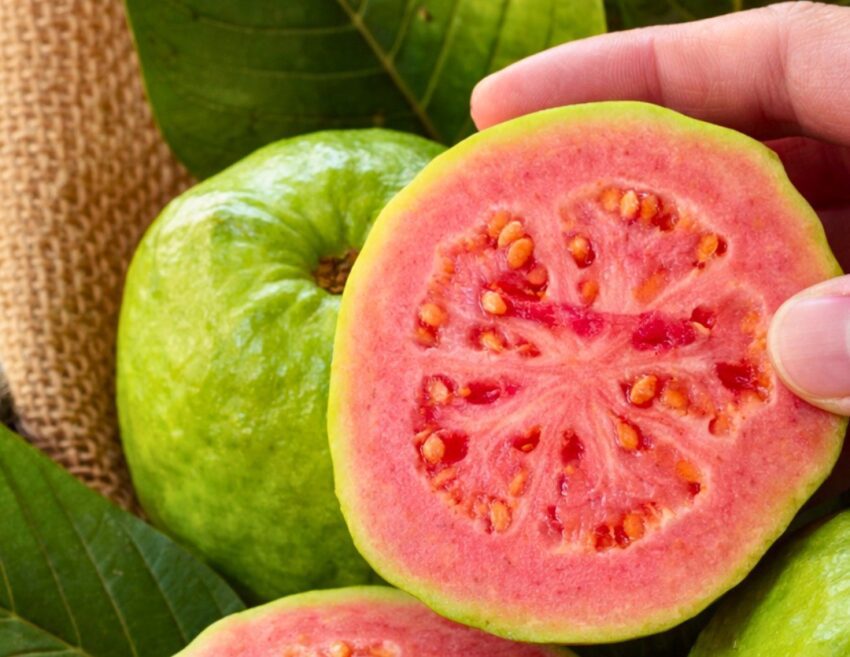
Guava is often praised as a “super fruit for everyone” thanks to its high vitamin C content, abundant fiber, and low calories. It helps boost immunity, supports digestion, and stabilizes blood sugar.
However, not everyone should eat guava freely. For certain groups, consuming guava incorrectly or in excess can actually worsen existing health conditions.
- People with Digestive Issues
Guava’s fiber is beneficial for gut health, but those with sensitive digestive systems—such as irritable bowel syndrome, gastritis, or chronic indigestion—may experience discomfort.
Hard seeds and insoluble fiber can be difficult to digest, leading to bloating, gas, abdominal pain, or constipation.
Unripe guava contains tannins that slow bowel movements, increasing the risk of constipation. Overripe sweet guava, on the other hand, may cause mild diarrhea.
Tip: Choose ripe, soft guava, peel the skin, remove the seeds, and eat at least 30 minutes after meals.
- People with Diabetes
Guava has a low glycemic index, which helps regulate blood sugar.
However, sweet or fully ripe guava still contains natural sugars that may spike blood glucose if eaten in large amounts or combined with starchy foods.
Tip: Diabetics should limit intake to one small guava per day, preferably moderately ripe, and pair it with protein or healthy fats to slow sugar absorption.
- People with Kidney Disease
Guava is rich in potassium, which is beneficial for healthy individuals.
For those with chronic kidney disease or kidney failure, excess potassium can accumulate in the blood, leading to hyperkalemia—a dangerous condition that may cause irregular heartbeat or even cardiac arrest.
Tip: Patients should consult their doctor about daily potassium intake. If eating guava, limit it to a few small slices and avoid combining it with other potassium-rich foods like bananas, oranges, potatoes, or avocados.
- People Preparing for Surgery
Guava leaves and fruit are sometimes used in traditional remedies to help regulate blood sugar.
However, this effect can be risky before surgery, as sudden drops in blood sugar may complicate anesthesia and recovery.
Tip: Stop eating guava, drinking guava leaf tea, or using guava-based supplements at least two weeks before surgery.
How to Eat Guava Safely
Limit to 1–2 guavas per day.
Peel and remove seeds if you have a sensitive stomach.
Choose moderately ripe guava; avoid unripe or overly sweet ones.
Drink enough water when eating guava or other high-fiber foods to aid digestion.
Guava is a nutritious gift from nature, but moderation and proper consumption are key. Understanding your body’s needs will help you enjoy guava’s benefits without health risks.