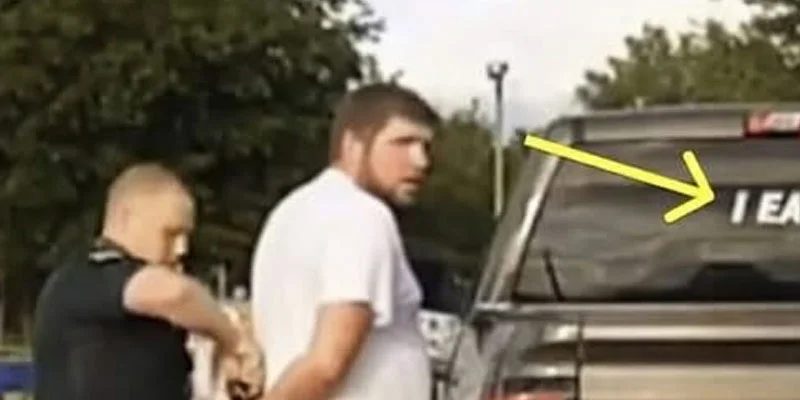
The debate over the state of the First Amendment in America has reached a fever pitch, with many claiming that the nation is currently gripped by a free speech crisis. From the digital trenches of social media to the historic halls of Ivy League campuses, the line between protected expression and public offense is being blurred like never before. While headlines often focus on protesters being pepper sprayed or high profile accounts being shadow banned, a shocking incident in Lake City, Florida, has proven that this battle is not just happening in the virtual world—it is happening on our public…
The debate over the state of the First Amendment in America has reached a fever pitch, with many claiming that the nation is currently gripped by a free speech crisis. From the digital trenches of social media to the historic halls of Ivy League campuses, the line between protected expression and public offense is being blurred like never before. While headlines often focus on protesters being pepper sprayed or high profile accounts being shadow banned, a shocking incident in Lake City, Florida, has proven that this battle is not just happening in the virtual world—it is happening on our public roads. What began as a routine traffic stop for twenty three year old Dillon Shane Webb quickly transformed into a landmark case of government overreach and a viral sensation that has legal experts reeling.
The situation unfolded when a Columbia County sheriff’s deputy pulled Webb over after spotting a decal on his vehicle that he deemed to be derogatory and obscene. The sticker, which featured a sexually suggestive phrase about a specific lifestyle preference, immediately became the center of a heated roadside confrontation. The deputy insisted that the decal violated Florida’s obscenity statutes, arguing that the presence of such a message in public view was a breach of community standards and harmful to the public interest. Webb, however, stood his ground, maintaining that the sticker was a form of self expression protected by the highest law of the land.
This clash between a lone citizen and a law enforcement officer serves as a chilling example of the current friction surrounding modern speech. For years, legal analysts have warned that the rise of cancel culture and the aggressive policing of language would eventually lead to a showdown between individual liberty and state power. In the case of Webb, the deputy did not just issue a warning; the confrontation escalated to a full arrest when the young man refused to remove the decal. Webb was charged with obscene writing on a vehicle and resisting an officer without violence, a move that sent shockwaves through the local community and eventually the entire country.
Digital media experts note that cases like this go viral because they touch on a universal fear: the idea that a personal opinion or a humorous gesture can lead to criminal prosecution. In an era where social media algorithms are under constant scrutiny for how they control information, the physical arrest of a man for a car sticker feels like an ancient form of censorship brought into the modern day. The incident has forced a public conversation about whether law enforcement has the authority to act as a moral arbiter of taste and decency. Critics argue that if the government is allowed to jail citizens based on a subjective interpretation of what is offensive, then the First Amendment effectively ceases to exist.
The legal fallout from the arrest has been significant, drawing the attention of civil liberties groups who argue that the Florida obscenity law is being applied in a way that is unconstitutionally vague. Historically, the Supreme Court has set a very high bar for what constitutes obscenity, usually requiring that the material lack any serious literary, artistic, political, or scientific value. Webb’s supporters argue that while his sticker may have been in poor taste to some, it did not meet the legal threshold for criminal obscenity.
As this story continues to circulate, it stands as a stark reminder of the fragile nature of civil rights in 2026. The Florida sticker incident is no longer just about a piece of vinyl on a car window; it is a symbol of the broader struggle to define the boundaries of freedom in an increasingly polarized society. Whether this results in a permanent shift in how police handle public expression or remains a cautionary tale of overreach, one thing is certain: the conversation about what Americans are allowed to say, and where they are allowed to say it, is far from over. Clarity in the law is essential, but until a definitive line is drawn, stories like this will continue to ignite a global debate over the true meaning of free speech.