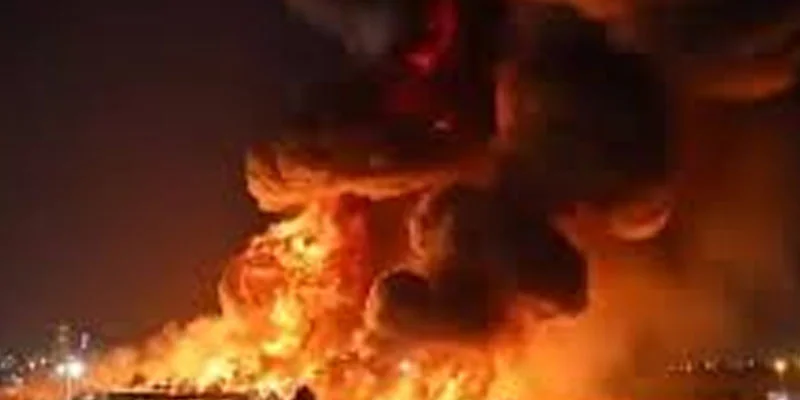
The images and posts flooding social media can create the illusion that news is happening instantly, but when conflict escalates quickly, verifying facts becomes critical. In recent days, posts claiming immediate developments in Tel Aviv and surrounding areas have circulated widely, many citing unnamed officials or rapid “just now” updates. While these posts capture attention, it’s essential to separate viral claims from confirmed information and ongoing uncertainties. Doing so ensures accurate reporting and prevents the spread of misinformation, particularly during volatile events. One of the central points of concern has been the Beit Shemesh incident. According to multiple credible sources,…
The images and posts flooding social media can create the illusion that news is happening instantly, but when conflict escalates quickly, verifying facts becomes critical. In recent days, posts claiming immediate developments in Tel Aviv and surrounding areas have circulated widely, many citing unnamed officials or rapid “just now” updates. While these posts capture attention, it’s essential to separate viral claims from confirmed information and ongoing uncertainties. Doing so ensures accurate reporting and prevents the spread of misinformation, particularly during volatile events.
One of the central points of concern has been the Beit Shemesh incident. According to multiple credible sources, the area experienced a direct ballistic impact linked to Iranian launches. The attack, which occurred on March 1, 2026, resulted in nine confirmed fatalities and numerous injuries. Many victims were inside public shelters at the time, highlighting both the risks of attacks and the importance of civil defense infrastructure. Avshalom Peled, Deputy Commissioner and Jerusalem District Police Chief, provided detailed accounts of the sheltering procedures, emphasizing how these measures mitigated casualties despite the severity of the impact. Follow-up reports and official visits by Israeli authorities on March 2 have reinforced the verified nature of these accounts.
While some viral posts suggested that a synagogue collapsed onto a shelter beneath it, reporting from reputable outlets such as The Times of Israel indicates damage to the area, but structural conclusions remain unconfirmed. The safest summary, based on verified information, is that the strike affected a synagogue area and nearby shelter spaces, with many people inside, without asserting precise collapse details.
The broader context of this incident is a rapid escalation between Israel, the United States, and Iran. Military activity continues across the region, coupled with diplomatic maneuvers and humanitarian concerns. Israeli officials, including President Isaac Herzog, have underscored alignment with U.S. efforts to prevent Iran from advancing nuclear capabilities. Simultaneously, international humanitarian agencies and the United Nations have emphasized the importance of civilian protection, particularly for children, in areas of conflict.
Civil defense and shelter effectiveness have been a key part of the conversation. While shelters significantly reduce exposure to blasts and debris, their protective capacity depends on construction quality, location, and proximity to impacts. Officials note that no shelter can entirely eliminate risk, particularly under heavy bombardment, but their presence undeniably saves lives. Recent assessments of warning systems and interception capabilities are ongoing, aimed at reducing casualties in future incidents.
Social media continues to be a double-edged sword in this environment. Posts formatted to appear urgent often lack verification and may mix recycled content with new reports. Users are encouraged to rely on official statements from the Israeli presidency, major wire services such as Reuters, and established national outlets with on-the-ground correspondents. Named spokespeople and verifiable quotes remain the gold standard for confirming events.
In terms of reporting practices, news outlets and content creators should maintain a neutral tone, use phrasing such as “officials reported” or “according to sources,” and avoid speculative or emotionally charged language. Highlighting the role of shelters, civil defense preparedness, and ongoing verification processes helps readers understand the real risks and protective measures without sensationalism.
Verified developments from Beit Shemesh emphasize the human cost of the conflict. Nine confirmed fatalities, dozens of injuries, and widespread community disruption illustrate the severity of the situation. While uncertainty remains regarding some structural details, the consensus among major sources confirms that civilians were harmed while attempting to shelter, underscoring the unpredictable and dangerous nature of the attacks.
The rapid spread of information on social media underscores the challenge of distinguishing fact from rumor. Posts claiming “just minutes ago” updates or citing unidentified officials can amplify fear and confusion. Verification requires cross-referencing official government releases, statements from primary sources, and credible news outlets with established on-site reporting.
As the situation unfolds, public attention has rightly focused on the immediate humanitarian impact, the strategic implications of the attacks, and the broader regional tensions. The escalation between Israel and Iran, amplified by U.S. involvement, has implications not only for local populations but also for international security, diplomatic relations, and global attention.
In summary, verified reports confirm that:
President Isaac Herzog visited impacted sites, including Beit Shemesh, reinforcing official information and providing firsthand assessments.
Multiple credible outlets report nine fatalities and numerous injuries, with many victims sheltering during the attack.
Damage occurred in a synagogue area and connected shelter spaces, though structural collapse remains unconfirmed.
The Beit Shemesh incident is part of a broader Israel–U.S.–Iran escalation involving military, diplomatic, and humanitarian dimensions.
For those following updates, the guiding principles remain: prioritize verified information, understand the limits of civil defense measures, and interpret social media posts cautiously. Responsible reporting ensures public understanding of real risks, ongoing developments, and humanitarian considerations while avoiding the spread of unverified claims.
This conflict serves as a reminder that rapid, real-time updates, while compelling, must always be measured against credible evidence. The situation in Tel Aviv and Beit Shemesh illustrates how quickly circumstances can escalate, the critical role of shelters and civil defense, and the need for clear, verified information to navigate crises safely .