The medical landscape of 2026 continues to showcase an extraordinary blend of scientific advancement and human compassion, nowhere more evident than in the field of living liver donation. As of March 1, 2026, this life-saving procedure represents one of the most profound acts of generosity a person can offer—giving a part of themselves so another may live.
Unlike many organ transplants that depend on tragic loss, living liver donation is a deliberate and courageous decision. It reflects both the remarkable resilience of the human body and the enduring strength of familial bonds. For families confronting chronic liver disease, it offers a vital alternative to lengthy deceased-donor waiting lists, providing hope when time becomes the most critical factor.
The Science Behind the Miracle
The success of living liver donation lies in the liver’s unique regenerative ability. It is the only internal organ capable of restoring itself after substantial tissue loss. During the procedure, surgeons remove a portion—often up to 60 percent—of a healthy donor’s liver and transplant it into the recipient.
Within months, both the donor’s remaining liver and the transplanted segment grow back to near-normal size and function. This remarkable biological capacity has made living donation a cornerstone of modern transplant medicine, especially for patients whose conditions progress too quickly to wait for a traditional transplant.
A Story of Intergenerational Sacrifice
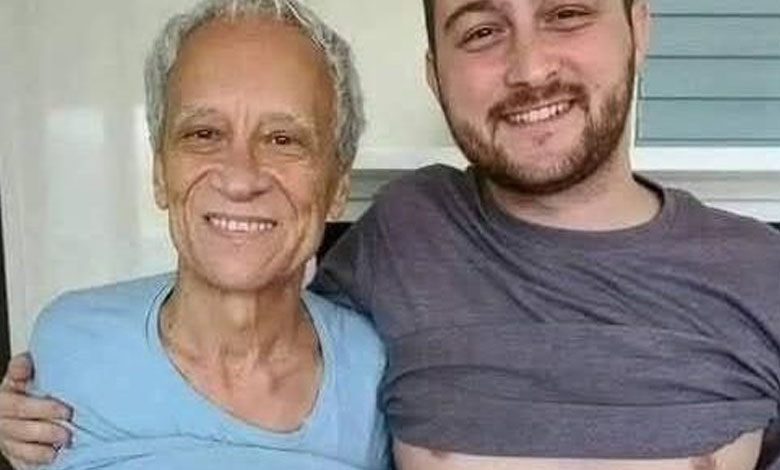
In many cases, living liver donation becomes a powerful story of family devotion. Often, an adult child steps forward to save a parent facing end-stage liver disease. Amid a world frequently dominated by conflict and uncertainty, such quiet acts of personal heroism stand as reminders of humanity’s capacity for love.
The journey begins with an extensive evaluation process. Transplant teams carefully assess the donor’s physical health, psychological readiness, and anatomical compatibility. Weeks of testing ensure that the decision is medically sound and ethically voluntary.
Once approved, the operation unfolds with remarkable precision. Donor and recipient undergo simultaneous surgeries in adjacent operating rooms, minimizing the time the liver segment remains outside the body. Receiving an organ from a healthy living donor often allows recipients to recover faster and achieve better long-term outcomes compared with deceased-donor transplants.
More than a medical procedure, the act becomes a lasting family legacy—an expression of care that reshapes relationships for generations.
The Reality of Recovery
Despite its life-saving potential, living liver donation remains major surgery and must be approached with honesty and realism. Recovery is demanding for both donor and recipient.
Donors typically stay in the hospital for five to seven days under close monitoring. Once home, fatigue is common as the body channels energy into regeneration and healing. While medical protocols in 2026 have significantly improved safety, risks such as infections, bile duct complications, or fluid buildup still exist. In rare cases, additional treatment or extended hospitalization may be required.
For families, this phase often brings mixed emotions—deep pride in the donor’s courage alongside anxiety about their recovery. Strong emotional and practical support systems become essential, as donors themselves require significant care during healing.
Strengthening Family and Community Bonds
Beyond medical success, living liver transplantation often transforms family dynamics. Health crises have a way of clarifying priorities, drawing relatives closer together and reinforcing shared responsibility.
Family members reconnect in hospital waiting rooms, younger generations witness powerful examples of compassion, and recipients frequently experience a renewed sense of purpose shaped by gratitude and second chances.
Communities also play a critical role. By 2026, digital support networks and local outreach programs provide meaningful assistance—from organized meal support to financial aid for medications—demonstrating that while surgery occurs between two individuals, healing happens collectively.
Ethics, Legacy, and the Future of Care
As transplant medicine advances, ethical safeguards surrounding living donation continue to evolve. Medical centers now place greater emphasis on protecting donors’ autonomy and long-term mental well-being. Comprehensive informed consent processes include independent donor advocates who ensure decisions are made freely and without pressure.
For aging families, these stories prompt important conversations about health, legacy, and the boundaries of medical intervention. Living liver donation highlights a profound truth: our lives are deeply interconnected. A parent regaining strength to celebrate family milestones or a donor discovering renewed purpose through sacrifice embodies the resilience of the human spirit.
A Testament to Hope
Ultimately, living liver donation is defined by hope—the hope that science can enable healing, that the human body can regenerate, and that compassion can overcome fear. Each transplant carries uncertainty, yet the courage of donors continues to illuminate the best qualities of humanity.
In a world often marked by challenges, the quiet selflessness found within transplant wards remains a powerful reminder: even in our most vulnerable moments, we possess the ability to save one another.