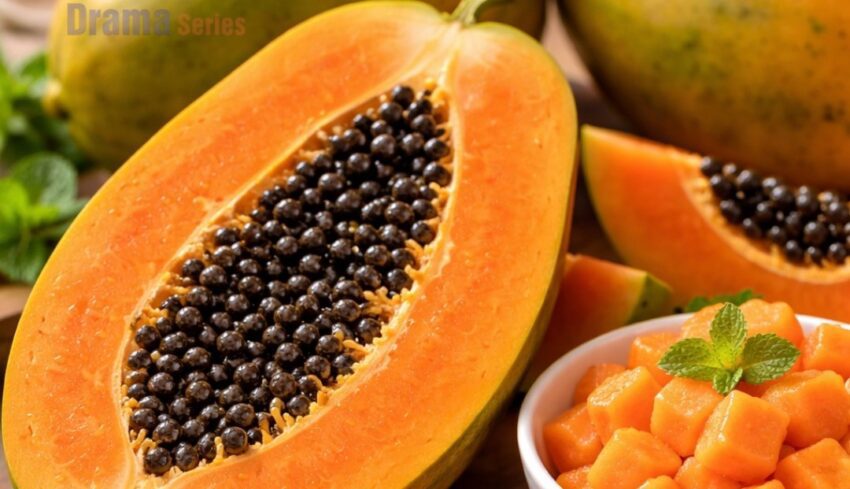
Papaya is often celebrated as a “superfruit.” Rich in vitamins A, C, and E, antioxidants, and digestive enzymes like papain, it supports digestion, boosts immunity, and promotes glowing skin. Yet, doctors caution that despite its many benefits, papaya is not suitable for everyone. Certain groups may experience adverse effects, and understanding these risks is essential for safe consumption.
The Nutritional Power of Papaya
Before diving into the risks, it’s worth noting why papaya is so popular:
Digestive health: Papain helps break down proteins, easing digestion.
Immune support: High vitamin C content strengthens the body’s defenses.
Skin benefits: Antioxidants combat free radicals, slowing signs of aging.
Heart health: Fiber and potassium contribute to cardiovascular wellness.
However, as doctors emphasize, “healthy” does not mean “risk‑free.”
Health Risks Associated with Papaya
- Risks for Pregnant Women
Unripe papaya contains high levels of latex, which can trigger uterine contractions. This may increase the risk of miscarriage or premature labor. Doctors strongly advise pregnant women to avoid unripe or semi‑ripe papaya. Ripe papaya in moderation is generally safer, but medical consultation is recommended. - Latex Allergy Concerns
Papaya naturally contains latex. For individuals allergic to latex, eating papaya can cause reactions such as:
Itching or skin rashes
Swelling of the mouth or throat
Breathing difficulties in severe cases
If you have a known latex allergy, papaya should be avoided.
- Thyroid Health Issues
Papaya’s phytochemicals may interfere with iodine absorption. For people with hypothyroidism or other thyroid disorders, excessive papaya intake could worsen symptoms. Doctors recommend moderation and regular thyroid monitoring if papaya is part of the diet. - Heart Rhythm Disorders
Individuals with arrhythmias or other heart rhythm problems should be cautious. Papaya’s compounds may interact with certain medications or affect potassium levels, potentially complicating heart conditions. - Kidney Stone Risk
Papaya is rich in vitamin C, which the body metabolizes into oxalate. Excessive oxalate can contribute to kidney stone formation. Those prone to kidney stones should limit papaya consumption.
Safe Consumption Guidelines
Doctors generally agree that papaya is safe for most healthy individuals when eaten in moderation. Here are practical tips:
Choose ripe papaya: Avoid unripe fruit, especially during pregnancy.
Moderation matters: One small bowl a day is usually safe for healthy adults.
Consult your doctor: If you have thyroid issues, heart conditions, or a history of kidney stones, seek medical advice before making papaya a regular part of your diet.
Watch for allergies: Discontinue immediately if you notice itching, swelling, or discomfort after eating papaya.
Balancing Benefits and Risks
Papaya remains a valuable fruit in many diets worldwide. Its digestive enzymes, vitamins, and antioxidants make it a natural health booster. Yet, as doctors reveal, it is not universally safe. The key lies in personalized consumption—understanding your health profile and adjusting intake accordingly.
For most people, papaya can be enjoyed guilt‑free as part of a balanced diet. But for vulnerable groups—pregnant women, those with latex allergies, thyroid disorders, heart rhythm problems, or kidney stone risks—papaya may cause more harm than good.